The best time to visit Italy is late April through June and September through October. These shoulder months combine warm weather (16-26°C in Rome), lower crowds than July-August, and 20-40% lower hotel rates than peak season. May and September are the single best months — warm Mediterranean sea, blooming or harvesting countryside, and manageable crowds in Rome, Florence and Venice.
Italy stretches from alpine Dolomites to Mediterranean Sicily across 1,200 kilometres, so “best time” depends heavily on region and goal. The Amalfi Coast essentially shuts down November-March. The Dolomites have two separate seasons (ski Jan-March, hike June-September) with closed shoulders. Venice has flood season November through mid-March. This guide breaks down timing month by month, region by region, and by experience (vineyard harvest, truffle hunting, Dolomites hiking, Venice Carnival).
Italy at a glance — month by month
| Month | Avg temp | Verdict |
|---|---|---|
| January | 3-13°C | Cheapest, quietest, cold north; Rome dry and mild |
| February | 4-14°C | Still cheap, Venice Carnival peak |
| March | 7-17°C | Early shoulder — mild south, still cool north |
| April | 10-20°C | Great weather, Easter crowd surge |
| May | 14-24°C | Peak overall — great weather, pre-summer prices |
| June | 18-28°C | Warm, lively, prices climbing late month |
| July | 22-32°C | Hot, crowded, peak prices in major cities |
| August | 22-32°C | Hottest, most Italian; Ferragosto city shutdowns |
| September | 18-28°C | Second-best overall month — warm, less crowded |
| October | 12-22°C | Shoulder sweet spot — autumn colors + harvest |
| November | 8-16°C | Cheap and quiet, cooler + wetter |
| December | 4-14°C | Christmas markets, early-month cheap, mid-month holiday surge |
Month-by-month breakdown
January in Italy
Avg temp: 3-13°C. Verdict: Cheapest, quietest, cold north; Rome dry and mild.
January is Italy’s cheapest month. Rome, Florence and Venice have 30-50% lower hotel rates than in April. Weather in Rome is cool but dry (7-13°C), Florence and Venice are colder and foggier. The Dolomites and Alps hit peak ski season. Carnival in Venice begins late January and runs into February — this is the one exception to January’s low prices.
February in Italy
Avg temp: 4-14°C. Verdict: Still cheap, Venice Carnival peak.
February is Carnival peak in Venice (dates vary each year — ends on Mardi Gras / Shrove Tuesday). Masks, costumes, and Piazza San Marco crowds. Venice hotels sell out for the final weekend. Elsewhere Italy stays quiet and inexpensive. Lemon trees bloom on the Amalfi Coast. Dolomites skiing continues.
March in Italy
Avg temp: 7-17°C. Verdict: Early shoulder — mild south, still cool north.
March starts the shoulder season. Rome, Naples and the south are pleasant (12-17°C) with manageable crowds. Florence and Venice stay cool. Easter sometimes falls in late March — book 2-3 months ahead if it does. Almond blossoms peak in Sicily (Agrigento festival early February-March).
April in Italy
Avg temp: 10-20°C. Verdict: Great weather, Easter crowd surge.
April is one of the best months to visit most of Italy. Rome, Florence, Naples all comfortable (12-19°C). Spring flowers at the Boboli Gardens, Villa Borghese. Easter and Pasquetta (Easter Monday) bring major Italian domestic travel; book accommodation 2-3 months ahead if traveling Easter week. 25 April (Liberation Day) is another short domestic travel surge.
May in Italy
Avg temp: 14-24°C. Verdict: Peak overall — great weather, pre-summer prices.
May is probably the single best overall month for Italy. Weather is mild and dry across the whole country. Amalfi Coast opens for the season. Dolomites alpine meadows start blooming. Prices are still 20-30% below July-August peaks. Golden Week equivalent 1 May (Labor Day) is a one-day domestic holiday.
June in Italy
Avg temp: 18-28°C. Verdict: Warm, lively, prices climbing late month.
June is Italy at its most alive — long daylight (sunset after 9 pm in the north), outdoor dining, Dolomites hiking season starting. Prices climb significantly in the second half of June as European school holidays begin. The Rome and Florence crowds thicken. 2 June (Republic Day) is a national holiday. Dolomites rifugi (mountain huts) open mid-June.
July in Italy
Avg temp: 22-32°C. Verdict: Hot, crowded, peak prices in major cities.
July is high season. Rome and Florence hit 32-35°C and tourist crowds are at their heaviest. Beach destinations (Sardinia, Puglia, Amalfi Coast) are packed with Italian and European travelers. Dolomites hiking at its best (12-24°C depending on altitude). Hotel prices in major cities 50-100% above shoulder season.
August in Italy
Avg temp: 22-32°C. Verdict: Hottest, most Italian; Ferragosto city shutdowns.
August is when Italians take their own holidays. Ferragosto (15 August) is the single biggest Italian domestic holiday — Rome and Milan empty out as locals head to the coast. Many urban restaurants and small shops close for 2-3 weeks mid-August. Beach destinations are at peak price and crowds. Dolomites remains manageable with cooler alpine temperatures.
September in Italy
Avg temp: 18-28°C. Verdict: Second-best overall month — warm, less crowded.
September is tied with May for the best overall timing. Weather stays warm (18-26°C in Rome, 20-28°C in the south). Beach water is at its warmest of the year on the Mediterranean coast. Crowds drop significantly from mid-September as European schools reopen. Hotel prices step down 20-30% from August. Harvest season starts across Tuscan vineyards.
October in Italy
Avg temp: 12-22°C. Verdict: Shoulder sweet spot — autumn colors + harvest.
October is one of the most rewarding months for Italy. Vineyards turn gold, truffle season begins in Piedmont and Umbria, olive harvest runs through late October. Weather is mild in Rome and south (14-22°C), cooler north. Dolomites autumn colors peak early-to-mid October. Hotel rates return to shoulder levels. Rare short rains in Rome.
November in Italy
Avg temp: 8-16°C. Verdict: Cheap and quiet, cooler + wetter.
November is Italy’s cheap-and-rainy month. Hotel rates are among the lowest of the year outside Christmas week. Rome and Naples stay reasonably mild (8-16°C) but see more rain. Northern Italy (Milan, Venice, Florence) is cold and foggy. White truffle season peaks in Alba (annual truffle fair in October-November). Dolomites ski resorts opening late November.
December in Italy
Avg temp: 4-14°C. Verdict: Christmas markets, early-month cheap, mid-month holiday surge.
The first two weeks of December are among the cheapest and quietest in Italy. Christmas markets open in Trento, Bolzano, Verona and smaller northern towns from late November through 6 January. From 23 December through 6 January, prices surge for Italian domestic Christmas travel. Rome and the Vatican see Christmas Eve midnight mass crowds. Dolomites ski resorts in full operation by mid-December.
Best time to visit each Italian region
Rome and central Italy
Best time: April-May, September-October
Worst time: July-August (hot, crowded)
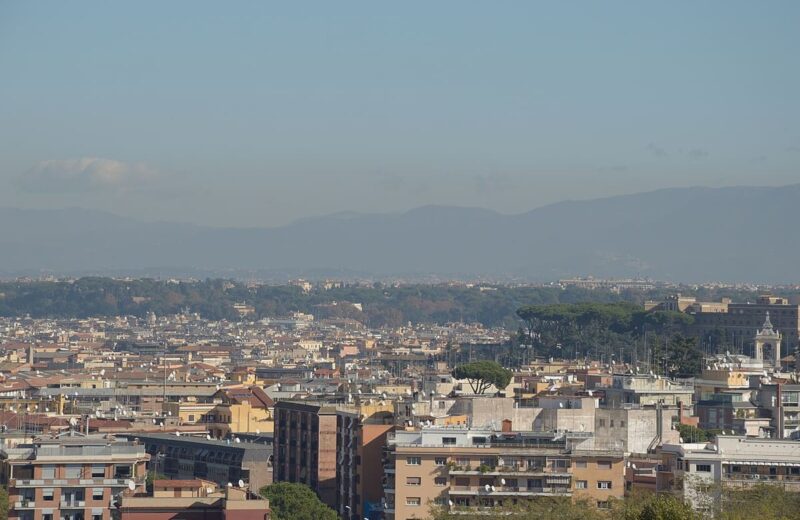
Rome is comfortable April-June and September-October. Lazio, Umbria and Abruzzo follow the same pattern. July-August gets 32-35°C with heavy tourist crowds. Winter is mild but museums have shorter hours.
Venice and the Veneto
Best time: April-June and September-October
Worst time: November-February (acqua alta flooding risk, cold)
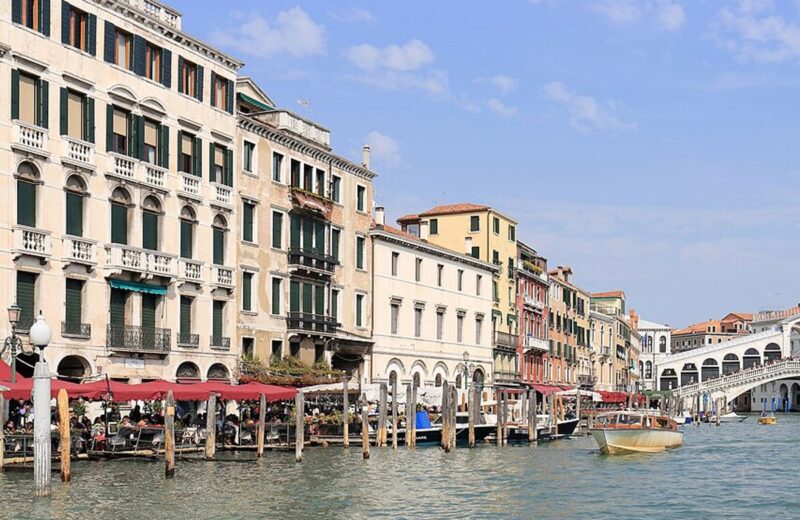
Venice has a specific flood season — acqua alta peaks November through mid-March. Carnival late January-February is a major visit window. Summer is hot and crowded; the Veneto hinterland (Verona, Padua, Vicenza) stays cooler.
Florence and Tuscany
Best time: April-June, September-October
Worst time: July-August (hot, crowded cities)
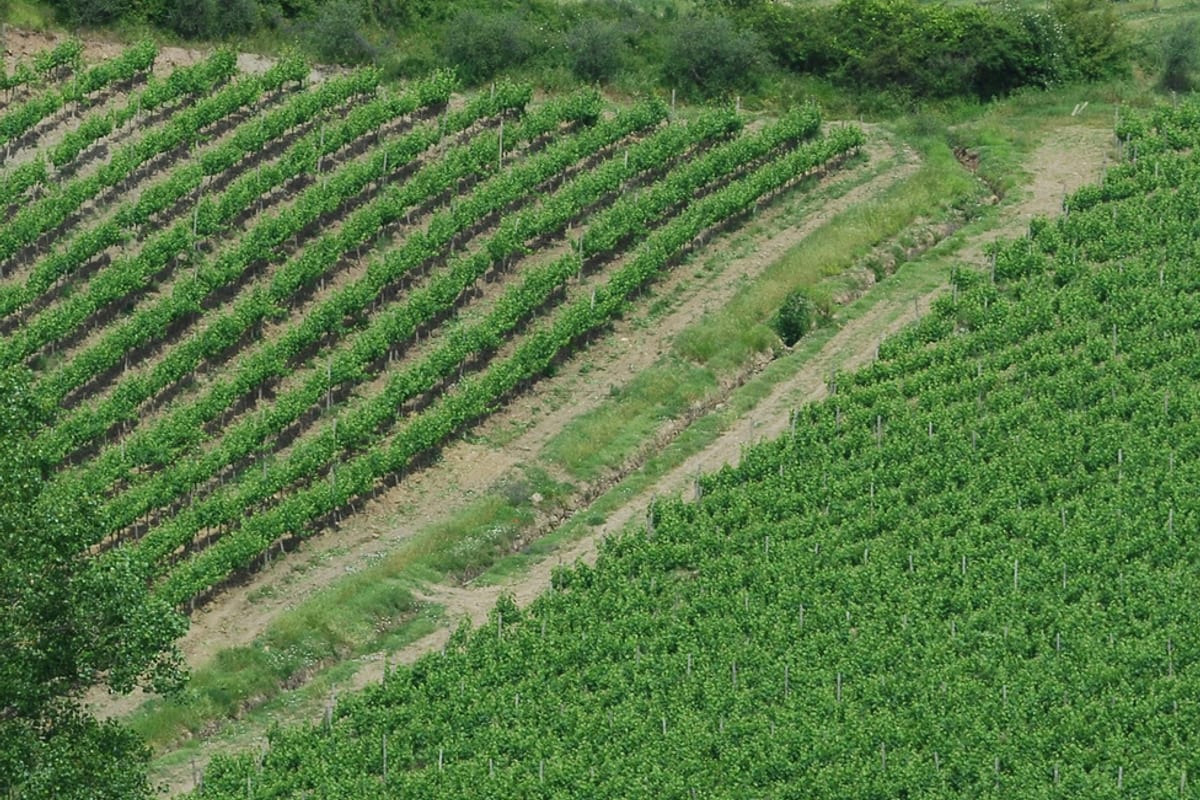
Florence is hot (33°C+) in July-August. Tuscan countryside stays more pleasant with vineyard breezes. Harvest season (late September-October) is the single best Tuscany window — grapes being picked, olive mills open, autumn colors in Val d’Orcia.
Amalfi Coast and Naples
Best time: May-June, September-mid-October
Worst time: November-March (many restaurants closed), August (packed)
The Amalfi Coast essentially shuts down November-March — most hotels and restaurants close. Peak season June-August brings extreme crowds on the single coastal road. Shoulder months (May and September) are the sweet spot.
Dolomites and Italian Alps
Best time: Mid-June to mid-September (hiking), December-March (skiing)
Worst time: April-May and October-November (shoulder, many cable cars closed)
Alpine zone with different timing than the rest of Italy. Rifugi (mountain huts) open roughly 20 June to 20 September. Ski season roughly 20 December to 10 April. May and October are “closed” shoulder months — many cable cars shut down.
Sicily
Best time: April-June, September-October
Worst time: July-August (hot, 35°C+)
Sicily is Italy’s warmest region. Spring (April-May) sees wildflowers at Valley of the Temples. Mount Etna is skiable December-March. The south coast (Agrigento, Noto) can stay warm into November.
Sardinia
Best time: May-June, September
Worst time: July-August (expensive, crowded)
Sardinia’s famous beaches are at their best shoulder season — water is warm, crowds manageable, prices moderate. July-August brings Italian and European beach travelers at peak rates. Inland Sardinia (Nuoro, Barbagia) stays cooler and quieter year-round.
Milan and northern lakes
Best time: May-June, September-October
Worst time: November-February (cold, foggy)
Milan has cold foggy winters and warm summers. Lake Como and Lake Garda hit peak season June-August with high prices. Spring (May) and autumn (October) show the lakes at their most atmospheric.
Best time by experience
| Experience | Best time |
|---|---|
| Classic Italy triangle (Rome-Florence-Venice) | Mid-April to mid-June, late September to late October |
| Amalfi Coast beach trip | Late May to mid-June, September to early October |
| Dolomites hiking | Mid-June to mid-September (rifugi open) |
| Dolomites skiing | January to mid-March (deepest snow) |
| Tuscany vineyard trip | Late September to late October (vendemmia) |
| White truffle hunting (Piedmont) | October to December (Alba fair peaks) |
| Venice Carnival | 10-day window ending on Mardi Gras (February usually) |
| Sicilian beaches | Late May to late October |
| Mount Etna climb | May to October (summer snow-free) |
| Pompeii and Herculaneum | April-May, October (comfortable walking temps) |
Dates to avoid in Italy
| Dates | Why |
|---|---|
| 15 August (Ferragosto) | Italy’s biggest domestic holiday. Many urban restaurants and small shops close for 2-3 weeks mid-August. Beach destinations are packed. Rome and Milan empty out. |
| Easter + Pasquetta (Easter Monday) | Major Italian domestic travel week. Rome and Vatican City especially packed. Book 3-6 months ahead for Easter in Rome. |
| 23 December – 6 January | Christmas and Epiphany holidays. Prices surge, many smaller museums close for holiday weeks, popular restaurants fully booked. |
| Last two weeks of July + first two weeks of August | European summer vacation peak. Prices 50-100% above shoulder season. Rome and Florence reach 32-35°C. Beach destinations fully booked. |
| Milan Fashion Week (Feb/September) | Milan hotels fill up and rates double during fashion week. Travelers not attending the shows should visit at other times. |
When Italy is cheapest
- Cheapest: mid-January through early March (except Venice Carnival) — Rome, Florence, Venice hotels 30-50% below peak
- Shoulder sweet spots: late April, early-mid September, late October — great weather at 20-30% below peak
- Peak: last two weeks of July and first two weeks of August, Christmas-New Year — 50-100% above shoulder prices
Related Italy and travel guides
- Full Italy travel guide
- Rome: village to empire — history guide
- Pompeii and Herculaneum guide
- The 25 cheapest countries to visit in 2026
Frequently asked questions
What is the best overall time to visit Italy?
The best overall times to visit Italy are late April through June, and September through October. These shoulder months combine warm weather (14-26°C in Rome), lower crowds than July-August, lower hotel prices, and open seasonal destinations like the Amalfi Coast and Dolomites. May and September are the single best months.
Is Italy too hot in July and August?
Yes for Rome, Florence and the inland south, where temperatures regularly hit 32-35°C with high humidity. Northern lakes (Como, Garda) stay cooler. The Dolomites remain pleasant at altitude (12-24°C depending on height). Beach destinations are at peak price and crowds. Many Italians leave their cities in August — Ferragosto (15 August) sees major urban shutdowns.
When is the cheapest time to visit Italy?
November through early March (excluding Christmas-New Year) is the cheapest window. Rome, Florence and Venice hotel rates run 30-50% below May/September rates. Weather is cool-to-cold and some sites have shorter hours, but museum and monument access is uncrowded. January and February have the single lowest prices outside Venice Carnival.
When is the best time to visit Rome specifically?
Rome is best in late April through early June and late September through late October. Weather is warm but not oppressive (16-24°C), long daylight hours, and crowds are manageable away from Vatican City. Avoid July-August (33°C with heavy tourist crowds). Winter is mild but museums have shorter hours.
When is the best time to visit the Amalfi Coast?
Late May through mid-June and September through early October are the Amalfi Coast’s best windows. Weather is warm (22-28°C), the sea is warm enough for swimming, hotels and restaurants are open but not booked solid like August. The coast essentially shuts down from November through March — most hotels close for the season.
When should I visit the Dolomites?
Mid-June to mid-September for hiking (rifugi mountain huts open roughly 20 June to 20 September). January to mid-March for skiing. May and October are “closed” shoulder months when many cable cars and alpine services are shut for maintenance. July-August gets busy but weather is reliably warm; September often has the clearest alpine skies of the year.
Is Venice flooded in winter?
Venice’s acqua alta (high water) season runs November through mid-March, with peak events usually in November and early December. Water typically rises into Piazza San Marco for 2-4 hours during the highest tides. The MOSE flood-barrier system (operational since 2020) now prevents the most severe flooding. Venice is still perfectly visitable in winter — raised wooden walkways appear on major routes during acqua alta events.
When is wine harvest in Italy?
Wine harvest (vendemmia) runs across Italy from late August through October. Specific timing varies by region and altitude — northern Piedmont and Veneto harvest late September, Tuscany early October, Sicily late August for white varieties. Many wineries welcome visitors during harvest with grape-stomping events and festivals. Early-to-mid October is the most visually dramatic time in Tuscan vineyards.
When is truffle season in Italy?
White truffle season (the famous Alba variety from Piedmont) peaks October through early December. The Alba International White Truffle Fair runs weekends in October-November. Black truffle season runs more broadly November through March, especially in Umbria and Molise. Many high-end restaurants shave fresh truffle on pasta during these windows.
When is Carnival in Venice?
Venice Carnival runs for approximately 10 days ending on Mardi Gras (Shrove Tuesday), which is 47 days before Easter — specific dates vary by year. Expect late January through mid-February in most years. The final weekend before Mardi Gras is peak crowd and price; book accommodation 4-6 months ahead for the main dates.