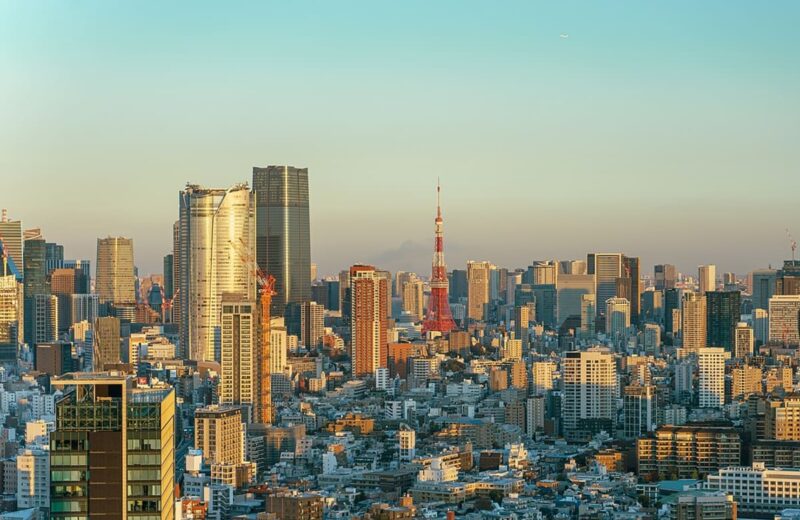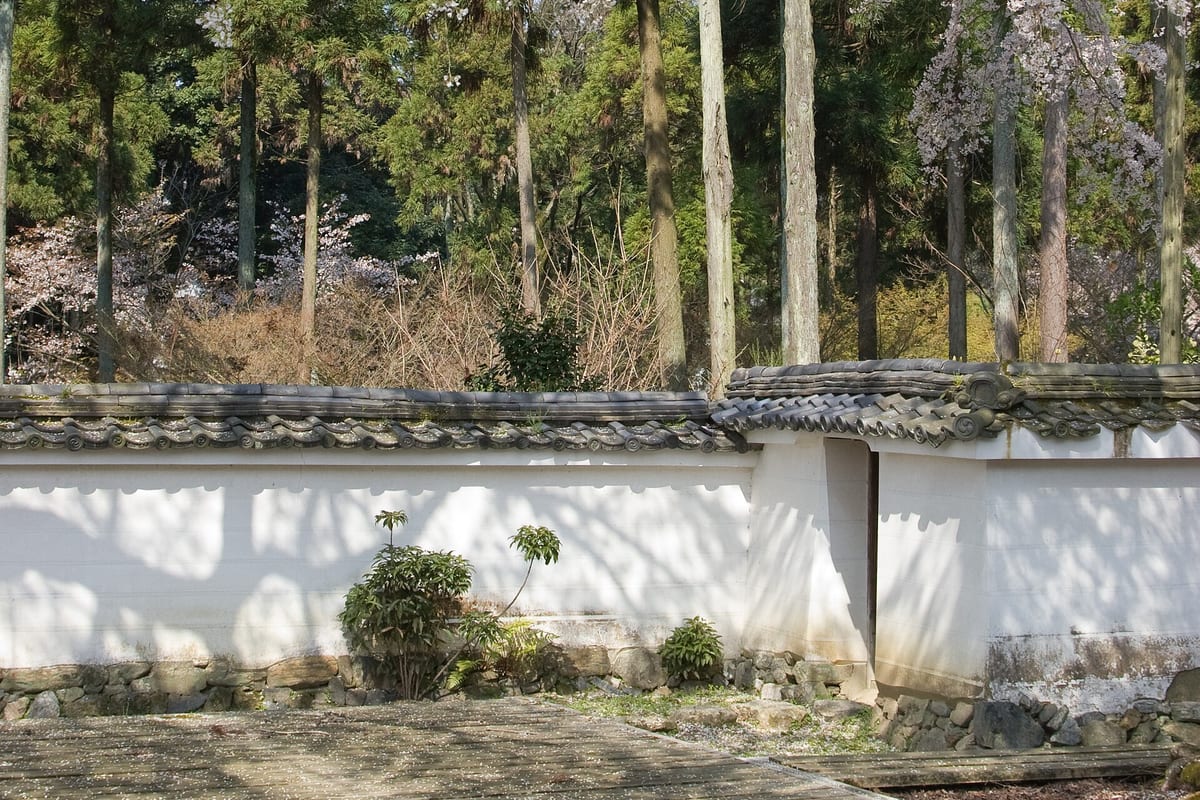
The best time to visit Japan is late March to early April for cherry blossoms, and late October to late November for autumn colors. These two short windows produce the country’s most dramatic seasonal landscapes — but they also bring peak crowds and the highest hotel prices of the year. May, early June and October outside the peak-colour weeks give the best overall balance of pleasant weather, open attractions, and reasonable prices.
Japan runs from subtropical Okinawa to subarctic Hokkaido across 3,000 kilometres of latitude, so the “best time” depends heavily on where you’re going and what you want to do. This guide breaks it down three ways: month by month, by region, and by activity (sakura, koyo, skiing, hiking Fuji). We finish with a calendar of festivals worth timing a trip around and the specific dates to avoid.
Japan at a glance — month by month
| Month | Average temp | Verdict |
|---|---|---|
| January | 1 to 10°C (Tokyo); -5°C (Hokkaido) | Great for skiing and hot springs, quiet elsewhere |
| February | 2 to 11°C (Tokyo); -4°C (Hokkaido) | Peak powder in Hokkaido, plum blossoms late month |
| March | 6 to 14°C (Tokyo); 0°C (Hokkaido) | Cherry blossoms start late month in Kyushu/Tokyo |
| April | 12 to 19°C (Tokyo); 7°C (Hokkaido) | Peak sakura weeks 1-2; Golden Week starts 29 April |
| May | 17 to 24°C (Tokyo); 12°C (Hokkaido) | Pleasant weather, lower crowds after Golden Week |
| June | 21 to 27°C (Tokyo); 16°C (Hokkaido) | Rainy season (tsuyu) hits mid-month; good for Hokkaido |
| July | 25 to 31°C (Tokyo); 20°C (Hokkaido) | Hot, humid, climbing season for Mount Fuji |
| August | 26 to 32°C (Tokyo); 22°C (Hokkaido) | Hottest month, Obon crowds mid-August |
| September | 23 to 28°C (Tokyo); 18°C (Hokkaido) | Humid first half, improves late month; peak typhoon risk |
| October | 18 to 23°C (Tokyo); 12°C (Hokkaido) | Ideal weather; autumn colors start in Hokkaido |
| November | 12 to 17°C (Tokyo); 5°C (Hokkaido) | Peak autumn colors in Kyoto, Tokyo, Nikko |
| December | 5 to 12°C (Tokyo); -3°C (Hokkaido) | Quiet mid-month, surge over New Year |
Month-by-month breakdown
January in Japan
Average temperature: 1 to 10°C (Tokyo); -5°C (Hokkaido). Short verdict: Great for skiing and hot springs, quiet elsewhere.
January is the coldest month in Japan but one of the best for specific experiences. Hokkaido ski resorts (Niseko, Furano, Rusutsu) hit peak snow conditions. The snow monkeys at Jigokudani Yaen-koen (Nagano) are at their most photogenic bathing in steaming hot springs. Tokyo and Kyoto are cold but dry and clear — low crowds, lower hotel prices (except New Year holiday 29 Dec-3 Jan when domestic travel surges and many businesses close).
February in Japan
Average temperature: 2 to 11°C (Tokyo); -4°C (Hokkaido). Short verdict: Peak powder in Hokkaido, plum blossoms late month.
February continues winter conditions. The Sapporo Snow Festival in early February is one of Japan’s best winter events — enormous ice and snow sculptures across Odori Park. Plum blossoms (ume) start blooming late February through March in Tokyo, Kyoto and Osaka — much less crowded than the cherry blossoms that follow. Hotel prices across the country are at their lowest outside ski resorts.
March in Japan
Average temperature: 6 to 14°C (Tokyo); 0°C (Hokkaido). Short verdict: Cherry blossoms start late month in Kyushu/Tokyo.
March is the start of cherry blossom (sakura) season. Blooming begins in southern Kyushu (Kagoshima, Fukuoka) around 20 March and reaches Tokyo and Kyoto by the last week of March. Weather is still cool and variable — pack layers. Hotel prices start climbing in the last 10 days of the month in sakura-forecast cities. Book 2-3 months ahead for Tokyo-Kyoto-Osaka in late March.
April in Japan
Average temperature: 12 to 19°C (Tokyo); 7°C (Hokkaido). Short verdict: Peak sakura weeks 1-2; Golden Week starts 29 April.
April is the most popular month to visit Japan. Cherry blossoms peak in Tokyo and Kyoto roughly 1-10 April; the bloom moves north to Tohoku by mid-April and reaches Hokkaido in late April. Expect crowded parks, hotels at 2-3× standard rates in sakura cities, and shinkansen trains fully booked. Golden Week (29 April-5 May) is a cluster of national holidays when Japanese domestic travel peaks — avoid internal travel in these dates if possible.
May in Japan
Average temperature: 17 to 24°C (Tokyo); 12°C (Hokkaido). Short verdict: Pleasant weather, lower crowds after Golden Week.
May after Golden Week (6 May onwards) is one of the best times to visit Japan. Weather is mild and dry, hydrangea start blooming, and tourism dips sharply as both domestic travelers and sakura-chasers leave. Hokkaido reaches cherry blossom season early-to-mid-May. Hiking season starts in the Japanese Alps and Mount Fuji area. Book hotels 4-6 weeks ahead rather than 3+ months.
June in Japan
Average temperature: 21 to 27°C (Tokyo); 16°C (Hokkaido). Short verdict: Rainy season (tsuyu) hits mid-month; good for Hokkaido.
June brings the rainy season (tsuyu) to most of Japan from around 11 June to 20 July. Rain is intermittent not constant — expect 5-10 rainy days per month, often as afternoon downpours. Hokkaido escapes the rainy season entirely and is the best place to visit in June (lavender fields bloom, lower temperatures). Elsewhere in Japan, prices drop significantly, museums and indoor sites stay dry, and the hydrangea at Meigetsu-in (Kamakura) peak in mid-June.
July in Japan
Average temperature: 25 to 31°C (Tokyo); 20°C (Hokkaido). Short verdict: Hot, humid, climbing season for Mount Fuji.
July is hot and humid in most of Japan with temperatures 25-33°C and humidity above 70%. The rainy season ends around 20 July and typhoon season begins. Mount Fuji climbing season starts on 1 July (Yoshida trail) and runs through 10 September — the only official window for climbing to the summit. Gion Matsuri in Kyoto (all month, main parades 17 and 24 July) is Japan’s most famous festival. Summer fireworks (hanabi) start.
August in Japan
Average temperature: 26 to 32°C (Tokyo); 22°C (Hokkaido). Short verdict: Hottest month, Obon crowds mid-August.
August is the hottest and most humid month, with temperatures regularly hitting 35°C in Tokyo, Kyoto and Osaka. Typhoon risk peaks (August-September average 5-7 typhoons affecting mainland Japan). Obon week (13-15 August) is a cluster of ancestor-honouring holidays when Japanese travel domestically to their family hometowns — avoid internal travel these dates. Awa Odori dance festival in Tokushima (12-15 August) is a highlight. Head to Hokkaido or the Japanese Alps for cooler temperatures.
September in Japan
Average temperature: 23 to 28°C (Tokyo); 18°C (Hokkaido). Short verdict: Humid first half, improves late month; peak typhoon risk.
September remains warm and humid in the first half but temperatures drop noticeably from mid-month. September is the single most active month for typhoons affecting Japan — monitor Japan Meteorological Agency forecasts if planning Okinawa, Kyushu or coastal travel. Rice harvest season begins; early autumn colors appear in high-altitude Hokkaido at Daisetsuzan by late September. Silver Week holidays (around 19-23 September depending on year) create another domestic travel surge.
October in Japan
Average temperature: 18 to 23°C (Tokyo); 12°C (Hokkaido). Short verdict: Ideal weather; autumn colors start in Hokkaido.
October is one of the two best months to visit Japan (the other is November). Weather is mild and clear, humidity drops, typhoon risk decreases through the month. Autumn colors (koyo) peak in Hokkaido in early October and move south to Tohoku by late October. Hotel prices are lower than in April. International flight availability is better than in sakura or peak autumn-colour season. This is the sweet spot for first-time Japan travelers.
November in Japan
Average temperature: 12 to 17°C (Tokyo); 5°C (Hokkaido). Short verdict: Peak autumn colors in Kyoto, Tokyo, Nikko.
November is peak autumn colors (koyo) in central Japan. Kyoto’s temple grounds (Tofuku-ji, Eikan-do, Arashiyama) peak around 20-30 November. Tokyo’s koyo (Rikugien, Shinjuku Gyoen) peak late November to early December. Nikko peaks early November. Weather is cool and dry — among the best of the year for photography. Crowds in Kyoto temple gardens rival spring sakura levels; book hotels and reserve shinkansen seats 2-3 months ahead.
December in Japan
Average temperature: 5 to 12°C (Tokyo); -3°C (Hokkaido). Short verdict: Quiet mid-month, surge over New Year.
December is cold but dry — Tokyo and Kyoto are pleasant for walking (bring warm layers). Winter illuminations (German-style Christmas markets, elaborate LED light displays in Shibuya, Nabana no Sato in Mie) run through the month. First 2-3 weeks of December are quiet with lower hotel rates. New Year (29 December-3 January) sees Japanese domestic travel surge and many restaurants, museums and transport routes close — generally not a good time for international visitors. Hokkaido ski season in full swing.
Best time to visit by region
Tokyo
Best time: March-April (sakura), October-November (koyo), May-June (pleasant)
Worst time: July-August (hot, humid, typhoons), 29 Dec-3 Jan (NY shutdowns)
Tokyo is comfortable year-round for sightseeing — the real question is weather and crowds. Avoid Golden Week (late April-early May) and Obon (mid-August) if you need to use shinkansen trains.
Kyoto
Best time: Late March-early April (sakura), Mid-to-late November (koyo), October (shoulder)
Worst time: July-August (brutally hot), 29 Dec-3 Jan
Kyoto has Japan’s most dramatic seasonal differences. Sakura and koyo seasons see temple gardens packed; book accommodation 3-6 months ahead for peak dates.
Osaka
Best time: March-May, October-November
Worst time: July-August (hot and humid)
Osaka has mild winters and hot summers like Kyoto. Universal Studios Japan is crowded in school holidays (late March, late April-early May, late July-August, New Year).
Hokkaido
Best time: December-February (skiing), June-August (hiking, lavender), September-early October (koyo)
Worst time: November and April (muddy shoulder seasons)
Hokkaido has a cooler climate — summer temperatures are 5-8°C below Tokyo. Winter has powder snow unmatched anywhere in the world. Sapporo Snow Festival early February.
Okinawa
Best time: October-June (warm, dry)
Worst time: July-September (typhoons)
Okinawa is subtropical — much warmer year-round than mainland Japan. Beach season November-June. Typhoon season July-September can disrupt flights and ferries.
Japanese Alps (Nagano, Takayama)
Best time: July-August (hiking), October (autumn colors), December-February (snow and onsen)
Worst time: November and April (shoulder, variable weather)
Alpine zones require different timing from the plains. The classic Kamikochi and Tateyama alpine routes are accessible mid-April to mid-November only.
Cherry blossom (sakura) timing by region
Japan’s cherry blossom front moves north over 6-7 weeks, giving you different windows at different latitudes. Pin your trip dates to the region you most want to see sakura in — the sweet spot is the week before predicted peak bloom (locally called yozakura or “pre-peak”) when flowers are nearly fully open but trees are still thickening. The Japan Meteorological Agency publishes bloom forecasts starting mid-January.
| Region | Typical sakura peak | Notes |
|---|---|---|
| Okinawa (Naha) | Mid-January to mid-February | Different cherry variety (kanhizakura) that blooms before mainland sakura. |
| Kyushu (Fukuoka, Kagoshima) | 20-30 March | The first mainland sakura. |
| Tokyo | 25 March-5 April | Yoyogi Park, Chidorigafuchi, Shinjuku Gyoen are the big three viewing spots. |
| Kyoto | 28 March-8 April | Philosopher’s Path, Maruyama Park, Arashiyama. Peaks slightly later than Tokyo. |
| Nagano / Alps | 10-25 April | High-altitude cherry at Takato Castle Park (one of Japan’s “three great sakura spots”). |
| Tohoku (Sendai) | 10-20 April | Hirosaki Castle sakura festival late April. |
| Hokkaido (Sapporo) | 28 April-10 May | The last sakura of the Japanese spring. |
Autumn colors (koyo) timing by region
Autumn colors in Japan move the opposite direction from cherry blossoms — starting in Hokkaido in mid-September and sweeping south to end in Kyushu in early December. The koyo season is longer than the sakura season (about 10 weeks total across the country) and the colors — bright red Japanese maple (momiji), golden ginkgo, russet beech — are more dramatic than many visitors expect.
| Region | Typical koyo peak | Notes |
|---|---|---|
| Daisetsuzan (central Hokkaido) | Mid-September to early October | The first autumn colors in Japan, at 1,500-2,000 m altitude. |
| Hokkaido lowlands | Early-to-mid October | Sapporo and the Jozankei valley. |
| Tohoku (Aomori, Sendai) | Mid-to-late October | Oirase Gorge and Towada Lake are the classics. |
| Nikko | Late October-early November | Toshogu Shrine and the Nikko lakes. Easy day trip from Tokyo. |
| Kyoto temples | 20-30 November | Tofuku-ji, Eikan-do, Arashiyama, Kiyomizu-dera. Peak Kyoto photography window. |
| Tokyo (Rikugien, Shinjuku Gyoen) | Late November-early December | A week or two later than Kyoto. Rikugien’s night illumination is a highlight. |
| Okinawa | Does not have significant autumn colors | Subtropical climate — stays green year-round. |
Dates to avoid in Japan
| Dates | Why avoid |
|---|---|
| Golden Week (29 April-5 May) | A cluster of 4 national holidays producing the busiest domestic travel week of the year. Shinkansen trains, flights and major hotels sell out months ahead. Prices surge 50-200%. Visit instead the first week of May or the second half of April. |
| Obon (13-15 August) | Buddhist ancestor-honouring holidays when Japanese return to family hometowns. Internal travel surges; many urban businesses close as staff take home leave. Not a bad week for Tokyo or Kyoto sightseeing (fewer locals around) but transport is packed. |
| New Year (29 December-3 January) | Japan effectively shuts down. Most restaurants, museums, department stores and attractions close for 3-4 days. Trains and flights are packed on 30-31 December and 2-3 January. Avoid unless you specifically want to experience New Year traditions. |
| Silver Week (around 19-23 September) | A smaller cluster of national holidays in September. Internal transport surges but less dramatically than Golden Week. Dates vary year-by-year depending on how equinox and other holidays align. |
| Peak sakura weeks in Tokyo/Kyoto (1-10 April) | Not a bad time to visit — but expect peak-of-peak crowds, hotels at 2-3× standard rates, and shinkansen seats booking out 4+ weeks ahead. Worth planning around if sakura is the goal; worth avoiding if it isn’t. |
Festival calendar — worth timing your trip around
| Month | Festival | Where | Dates | What |
|---|---|---|---|---|
| February | Sapporo Snow Festival | Sapporo, Hokkaido | First week of February | Enormous ice and snow sculptures across Odori Park and Susukino. |
| March | Hinamatsuri (Doll Festival) | Nationwide | 3 March | Doll displays celebrating girls’ day. Beautifully arranged at private homes and in department store displays. |
| May | Kanda Matsuri | Tokyo | Mid-May (biennial, odd years) | One of Tokyo’s three great festivals — portable shrines carried through central Tokyo. |
| July | Gion Matsuri | Kyoto | Throughout July; parades 17 and 24 July | Japan’s most famous festival. Elaborate float parades through central Kyoto. |
| July | Tenjin Matsuri | Osaka | 24-25 July | River parade with illuminated boats and fireworks on 25 July. |
| August | Awa Odori | Tokushima, Shikoku | 12-15 August | The country’s largest dance festival — streets packed with synchronised dance troupes. |
| August | Aomori Nebuta Matsuri | Aomori | 2-7 August | Enormous illuminated paper floats paraded through Aomori city each night. |
| October | Jidai Matsuri | Kyoto | 22 October | Historical costume parade from the Imperial Palace to Heian Shrine. |
| November | Shichi-Go-San | Nationwide | 15 November | Children aged 3, 5 and 7 dress in formal kimono for shrine visits. |
When Japan is cheapest
Japan’s hotel and tour prices follow the tourism calendar closely. The cheapest months to visit are:
- Mid-January (after New Year surge, before Sapporo Snow Festival surge) — Tokyo and Kyoto hotels 30-50% below sakura rates
- Late February through early March — plum blossoms starting, pre-sakura window
- Mid-June through early July — rainy season outside Hokkaido deters visitors
- First half of December — before the New Year surge
Expect prices to double in sakura peak weeks (last week of March, first week of April) and in peak koyo weeks (20-30 November for Kyoto, late November for Tokyo).
Related Japan travel guides
- Full Japan travel guide — Explore Every Country
- Ancient Japan: Yayoi to Heian
- Best countries for a 7-day trip
- The 25 cheapest countries to visit in 2026
Frequently asked questions
What is the best overall time to visit Japan?
The best overall time to visit Japan is late October to late November, when autumn colors peak in central Japan, the weather is mild and dry (12-23°C), typhoon season has ended, and crowds are lower than during cherry blossom season. Late March to early April is the alternative choice for travelers specifically wanting to see cherry blossoms, though it is more crowded and expensive.
When is cherry blossom season in Japan?
Cherry blossom (sakura) season begins in southern Kyushu around 20 March and moves north through Japan over 6-7 weeks. Tokyo and Kyoto typically peak between 28 March and 8 April. Hokkaido’s sakura peaks late April to early May. Dates vary 5-10 days year-to-year depending on winter temperatures — the Japan Meteorological Agency publishes forecasts starting in January.
When do autumn colors peak in Japan?
Autumn colors (koyo) start in central Hokkaido in mid-September and move south over 2-3 months. Hokkaido lowlands peak early-to-mid October. Nikko peaks early November. Kyoto’s temple gardens peak 20-30 November. Tokyo peaks late November to early December. The entire moving window covers mid-September to early December across different parts of the country.
What is the rainy season in Japan?
Japan’s rainy season (tsuyu) runs from around 11 June to 20 July in most of the country — excluding Hokkaido, which has no rainy season. Rain is intermittent rather than constant, with 5-10 rainy days per month and often afternoon downpours. The rainy season ends and typhoon season begins in late July.
When is typhoon season in Japan?
Typhoon season runs from July to October, with peak activity in August and September. On average 5-7 typhoons affect mainland Japan each year, usually tracking northwest from the Philippines or Pacific. Typhoons can disrupt flights and ferries to Okinawa and Kyushu for 1-3 days. Monitor the Japan Meteorological Agency forecast when traveling in these months.
What is Golden Week and should I avoid it?
Golden Week is a cluster of four national holidays running 29 April-5 May. It is the busiest domestic travel week in Japan — shinkansen trains and major hotels sell out months ahead, prices surge 50-200%, and popular tourist sites (Kyoto temples, Mount Fuji area, Nikko) are packed. International visitors should avoid internal travel in this window if possible, or book 4-6 months ahead if the dates can’t be changed.
When is the cheapest time to visit Japan?
The cheapest months to visit Japan are January (excluding New Year week), February (except around the Sapporo Snow Festival), and the first half of December. Hotel rates in Tokyo and Kyoto run 30-50% below sakura or peak autumn-colour season. Mid-June through early July (rainy season) is also significantly cheaper outside Hokkaido.
When is the best time to climb Mount Fuji?
The official Mount Fuji climbing season runs 1 July to 10 September (Yoshida trail) and 10 July to 10 September (other trails). Mountain huts are open and summit facilities operate only in this window. Mid-July to mid-August is the most reliable weather; late August through early September is less crowded. Climbing outside this window is possible but technically forbidden and requires full winter mountaineering skills.
When is the best time to ski in Japan?
Peak Japanese ski season is mid-December to late March, with the best powder snow conditions typically in January and early February. Hokkaido resorts (Niseko, Rusutsu, Furano) have the deepest snow and longest season — some trails open into May. Honshu resorts (Hakuba, Shiga Kogen, Zao) have more cultural variety but shorter seasons.
When is the best time to visit Kyoto specifically?
The two peak times for Kyoto are late March-early April (cherry blossoms at Philosopher’s Path, Maruyama Park, Arashiyama) and 20-30 November (autumn colors at Tofuku-ji, Eikan-do, Kiyomizu-dera). Both are extremely crowded and require accommodation booked 3-6 months in advance. May and October are excellent alternatives with pleasant weather and manageable crowds. Avoid July-August unless you tolerate 33°C and 80% humidity well.
Is it worth visiting Japan in winter?
Yes — Japan is one of the great winter destinations. Hokkaido has the best powder snow in the world. The snow monkeys at Jigokudani bathe in hot springs. Sapporo’s Snow Festival (early February) is a major cultural event. Tokyo and Kyoto are cold but clear and dry, with far fewer tourists than peak seasons. Winter illuminations run December through February. Avoid only the 29 December-3 January New Year week, when most of Japan closes down.