Planning your Spain route
Spain rewards a route that flows rather than a checklist that sprints. Most visitors arrive at Madrid (MAD) / Barcelona (BCN) and link a handful of standout places — a classic loop runs Barcelona → Madrid → Seville → Costa del Sol / Islands.
Below is a ready-to-use one-week plan, how to stretch it to two weeks, and how to tailor it to how you like to travel. For the full picture see the Spain travel guide, and once you’ve fixed your dates read the best time to visit Spain so you travel in the right season.
The perfect 7-day Spain itinerary
Seven days is the sweet spot for a first trip: enough to see the headline sights without living on buses. This plan keeps you to two or three bases and a sensible pace.
- Days 1–3 · Barcelona (3 days) — Gaudí, beaches, tapas and nightlife. Best for city, beach, culture.
- Days 4–5 · Madrid (2 days) — World-class art, plazas and energy. Best for culture, food.
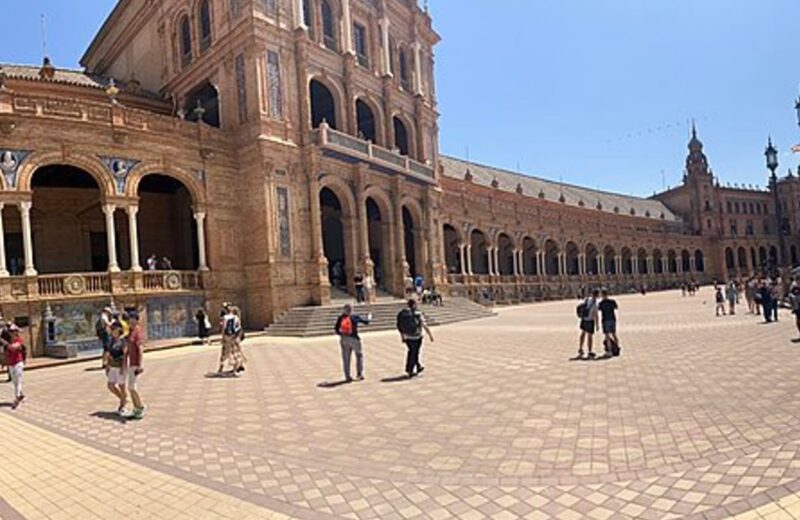
- Days 6–7 · Seville (2 days) — Flamenco, Moorish palaces and orange trees. Best for culture, romance.
Budget roughly $350–$2,240 per person for the week depending on your style (excluding international flights) — see the Spain budget guide for a full breakdown, or estimate yours with the Budget Calculator.
Stretching it to 10–14 days
With more time you can slow down and add the places a one-week trip skips. A relaxed two-week version looks like this:
- Days 1–4 · Barcelona (4 days) — Gaudí, beaches, tapas and nightlife. Best for city, beach, culture.
- Days 5–8 · Madrid (4 days) — World-class art, plazas and energy. Best for culture, food.
- Days 9–11 · Seville (3 days) — Flamenco, Moorish palaces and orange trees. Best for culture, romance.
- Days 12–14 · Costa del Sol / Islands (3 days) — Mediterranean and Balearic beaches. Best for beach, family.
Two weeks also leaves room for a day trip or two between bases — see the “day trips” section on each city guide, starting with Barcelona.
Tailoring the route to your style
The skeleton above flexes easily. Adjust where you spend your days based on what you’re travelling for:
- Beach & islands: weight your days towards Barcelona, Costa del Sol / Islands and build in a slow few days by the sea.
- History & culture: give more time to Barcelona, Madrid, Seville and the country’s main museums and old towns.
Getting between stops
Fly into Madrid (MAD) / Barcelona (BCN), then move between cities by a mix of domestic flights, trains, buses and taxis or ride apps. For multi-city trips, an open-jaw ticket (into one city, out of another) saves backtracking.
Book the longer hops ahead in May–Jun, Sep–Oct. Distances between the main spots in Spain are very doable — most of this route is short, scenic legs rather than epic overland days.
Before you go
Three things to sort early: your visa (schengen rules apply — see the Spain visa guide), your season (when to visit), and your packing (Spain packing list). It’s also worth a quick read of our Spain safety guide and the food & culture guide so you arrive ready to dive in.
Want a plan built around your exact dates and interests? Generate one in seconds with the AI Trip Planner.