The best time to visit Switzerland is late June through September for hiking and lakes, and mid-December through March for skiing. These are the two main seasons that make Switzerland worth visiting — the country has distinctive “shoulder” months (April-May and October-November) when many alpine cable cars close for maintenance and ski resorts are between seasons. September is often the single best month for first-time visitors, combining warm weather, open mountain infrastructure, and lower crowds than the July-August peak.
Swiss timing is driven by altitude. Zurich, Geneva and Lugano run on a conventional four-season calendar. The Jungfrau and Zermatt regions have two separate “open” seasons (winter ski + summer hike) with two “closed” shoulders when lifts shut for maintenance. This guide covers month-by-month weather, each major region’s own best windows, and activity-specific timing from skiing to Alpabzug cow-descent festivals.
Switzerland at a glance — month by month
| Month | Avg temp | Verdict |
|---|---|---|
| January | -5 to 3°C (Zurich); -8°C (Zermatt mid-mountain) | Peak ski season; lowest city prices |
| February | -3 to 5°C (Zurich); -7°C (Zermatt mid-mountain) | Peak ski; February school holidays bring resort crowd surge |
| March | 2-11°C (Zurich); -3°C (Zermatt mid-mountain) | Spring skiing with longer days; cities thaw |
| April | 6-15°C (Zurich); 1°C (Zermatt mid-mountain) | Shoulder — many cable cars closed for maintenance |
| May | 10-20°C (Zurich); 7°C (Zermatt mid-mountain) | Spring hits lowlands; mid-mountains still shoulder |
| June | 14-23°C (Zurich); 11°C (Zermatt mid-mountain) | Hiking season starts; alpine meadows at peak bloom |
| July | 17-26°C (Zurich); 13°C (Zermatt mid-mountain) | Peak summer; hiking and lakes at their best |
| August | 16-26°C (Zurich); 13°C (Zermatt mid-mountain) | Peak summer continues; book early |
| September | 13-21°C (Zurich); 10°C (Zermatt mid-mountain) | Best overall month — great weather, lower crowds, alpabzug festivals |
| October | 8-15°C (Zurich); 4°C (Zermatt mid-mountain) | Autumn colors peak; most mountain huts close mid-month |
| November | 4-9°C (Zurich); -2°C (Zermatt mid-mountain) | Shoulder — most alpine infrastructure closed for maintenance |
| December | -2 to 5°C (Zurich); -5°C (Zermatt mid-mountain) | Christmas markets and start of ski season |
Month-by-month breakdown
January in Switzerland
Avg temp: -5 to 3°C (Zurich); -8°C (Zermatt mid-mountain). Verdict: Peak ski season; lowest city prices.
January is deep winter — reliable snow across all major Swiss ski resorts (Zermatt, Verbier, St. Moritz, Davos, Jungfrau region). Weather is cold but typically clear, with inversions bringing fog to the lowlands while the Alps stay sunny. The Lauberhorn ski race in Wengen (mid-January) is one of the great winter sport events. City hotel rates in Zurich, Geneva, Lucerne are at their lowest. Scenic trains (Glacier Express, Bernina Express) run year-round with snowy windows.
February in Switzerland
Avg temp: -3 to 5°C (Zurich); -7°C (Zermatt mid-mountain). Verdict: Peak ski; February school holidays bring resort crowd surge.
February sees European school holidays (dates stagger by country but cluster weeks 1-3). Swiss ski resorts fill up and prices surge 30-50% in major areas. Snow quality is at its best. Carnival in Lucerne (Fasnacht) in late February is one of Switzerland’s wildest traditional events. City travel outside the ski-week surge remains cheap. Fondue and raclette season at peak.
March in Switzerland
Avg temp: 2-11°C (Zurich); -3°C (Zermatt mid-mountain). Verdict: Spring skiing with longer days; cities thaw.
March is spring skiing — lifts are still open and snow is still reliable on north-facing slopes, but days are longer, afternoons warmer, and crowds dropping after school holidays. Zurich and Geneva start thawing with first flowers in sheltered gardens. Lower mountain villages (below 1,500 m) start transitioning. End of ski season at lower resorts; Zermatt and other glacier-skiing resorts continue through April or May.
April in Switzerland
Avg temp: 6-15°C (Zurich); 1°C (Zermatt mid-mountain). Verdict: Shoulder — many cable cars closed for maintenance.
April is a transition month in Switzerland. Most mid-altitude ski resorts close for the season (usually around Easter). Glacier skiing continues at Zermatt, Saas-Fee, and a few others. Many alpine cable cars close for 2-6 weeks of maintenance in April (varies by lift — check the specific one you want). Lowland cities (Zurich, Geneva, Lucerne, Lugano) are mild and pleasant. Not an ideal time for alpine travel but excellent for city visits with lower crowds.
May in Switzerland
Avg temp: 10-20°C (Zurich); 7°C (Zermatt mid-mountain). Verdict: Spring hits lowlands; mid-mountains still shoulder.
May brings spring to the lowlands — fruit trees blossom around Lake Geneva and the Rhine valley, alpine wildflowers start at mid-altitude. Many high-altitude hiking trails are still snow-covered until late May or June. Zermatt and the Jungfrau region cable cars reopen gradually through the month after April maintenance. 1 May is a labor-day holiday; Pentecost / Whitsun (varies with Easter) is a long weekend. Shoulder-season hotel prices.
June in Switzerland
Avg temp: 14-23°C (Zurich); 11°C (Zermatt mid-mountain). Verdict: Hiking season starts; alpine meadows at peak bloom.
June is one of the best months for Swiss hiking. Alpine meadows bloom spectacularly 1,500-2,500 m. Days are longest (sunset after 9 pm). Most mountain huts open mid-June through late September. Some higher passes may still have snow until mid-June. Lake swimming begins. Prices climb through the month as European school holidays start late June. First major event: Montreux Jazz Festival starts late June into July.
July in Switzerland
Avg temp: 17-26°C (Zurich); 13°C (Zermatt mid-mountain). Verdict: Peak summer; hiking and lakes at their best.
July is Switzerland at its summer peak. Reliable warm sunny weather. All mountain huts and cable cars operational. Alpine lakes warm enough for swimming (18-22°C). Montreux Jazz Festival (early-mid July) is a highlight. 1 August is Swiss National Day — fireworks and celebrations across the country. Hotel prices high (30-60% above shoulder). Trail traffic heavy at famous spots (Matterhorn Trail, Trübsee, Oeschinensee) — go at dawn to beat crowds.
August in Switzerland
Avg temp: 16-26°C (Zurich); 13°C (Zermatt mid-mountain). Verdict: Peak summer continues; book early.
August matches July for conditions and crowds. Swiss National Day (1 August) is major — fireworks over lakes and alpine valleys, hotels fully booked for the weekend. Last two weeks see European schools starting to reopen (Switzerland’s own schools reopen staggered mid-August to early September). Weather occasionally thundery in the afternoons (bring layers for alpine hikes). Prices stay at peak levels. Alpabzug (cattle descent from alpine pastures) ceremonies start late August — a highlight for cultural travelers.
September in Switzerland
Avg temp: 13-21°C (Zurich); 10°C (Zermatt mid-mountain). Verdict: Best overall month — great weather, lower crowds, alpabzug festivals.
September is widely considered the best month for Swiss travel. Weather stays warm in the first half (18-22°C), cooling gradually. Crowds drop sharply after Swiss schools reopen mid-August. Alpabzug cow-descent festivals happen across the country throughout September — cows adorned in flowers paraded down from alpine pastures. Mountain huts stay open through late September. Hotel rates drop 20-30% from July-August peaks.
October in Switzerland
Avg temp: 8-15°C (Zurich); 4°C (Zermatt mid-mountain). Verdict: Autumn colors peak; most mountain huts close mid-month.
October brings dramatic autumn colors — larch forests in the Engadin turn gold mid-to-late October. Lower-altitude hiking continues through the month. Most mountain huts close by late September-early October (specific dates vary). Many cable cars shut down for autumn maintenance mid-October-mid-November. Zurich and Geneva stay pleasant; Lugano and Ticino south of the Alps retain warmer temperatures. Hotel prices at shoulder levels.
November in Switzerland
Avg temp: 4-9°C (Zurich); -2°C (Zermatt mid-mountain). Verdict: Shoulder — most alpine infrastructure closed for maintenance.
November is Switzerland’s quietest month. Alpine resorts are between seasons — ski lifts not yet open (except glacier skiing at Zermatt, Saas-Fee), hiking lifts closed. Lowland cities (Zurich, Basel, Bern, Geneva) are cold and often foggy. Low hotel prices. Christmas markets begin in late November (Montreux, Zurich, Basel). Lucerne’s pre-season skiing starts at Titlis.
December in Switzerland
Avg temp: -2 to 5°C (Zurich); -5°C (Zermatt mid-mountain). Verdict: Christmas markets and start of ski season.
December opens ski season by mid-month in most resorts (snow conditions permitting). Christmas markets peak in Basel, Zurich, Montreux, Lucerne through most of the month. Prices in major cities moderate the first two weeks, surging 23 December through 2 January. Zermatt and major alpine resorts hit peak Christmas-New Year prices in the last week — book 6+ months ahead for New Year week.
Best time to visit each Swiss region
Jungfrau region (Interlaken, Grindelwald, Lauterbrunnen, Wengen, Mürren)
Best time: June-September (hiking), December-March (skiing)
Worst time: November and April-early May (lifts closed for maintenance)
The most popular alpine region. Grindelwald-First, Jungfraujoch, Schilthorn and the Lauterbrunnen valley are the big four. Trains run year-round but many high-mountain cable cars close for weeks of maintenance in November and April-May.
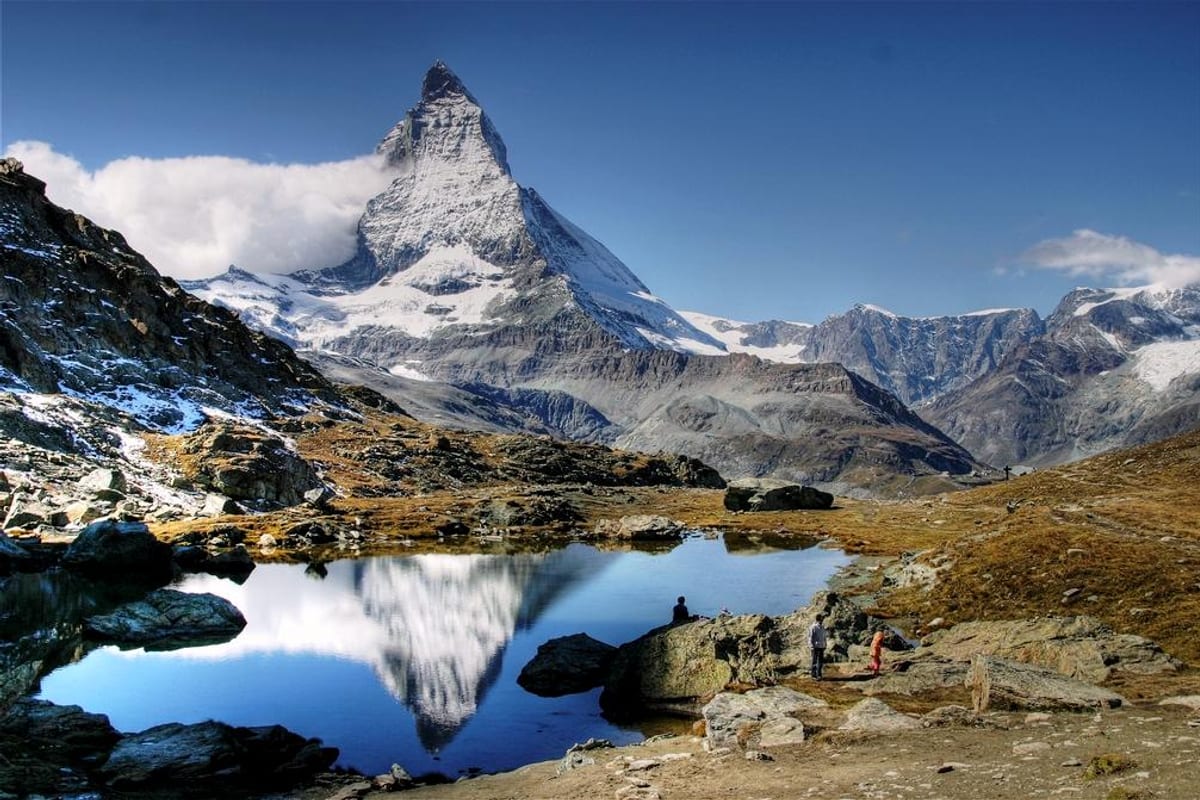
Zermatt and the Matterhorn
Best time: June-September (hiking), December-April (skiing)
Worst time: November (shortest season)
Zermatt is unusual — it has year-round glacier skiing on the Matterhorn Glacier Paradise and summer skiing options. The village itself is car-free. Peak autumn colour on the Riffelsee hike late September-early October.
Zurich
Best time: May-September
Worst time: November-February (cold, often foggy)
Switzerland’s largest city. Lake Zurich swimming season June-August. Winter is cold with lake fog but mulled wine season at Christmas markets is a draw.
Lucerne
Best time: May-September
Worst time: November (quiet, cold)
Lake Lucerne is the postcard Switzerland. Mount Pilatus and Mount Rigi accessible year-round via cog railway. Fasnacht Carnival in late February is a wild tradition.
Lake Geneva region (Geneva, Lausanne, Montreux, Vevey)
Best time: May-September
Worst time: November-March (cold around the lake)
Francophone Switzerland. Montreux Jazz Festival early-mid July. Lavaux UNESCO terraced vineyards above the lake. Milder than the north thanks to lake effect.
Ticino (Lugano, Locarno, Bellinzona)
Best time: April-October (warmest region)
Worst time: November-February (grey winter)
Italian-speaking southern Switzerland. Mediterranean climate — several degrees warmer than north of the Alps. Palm trees in Lugano. Great spring and autumn window.
Engadin / St. Moritz
Best time: January-March (skiing), July-September (hiking)
Worst time: May-June and November (shoulder, closures)
High-altitude southeastern valley. Famous for larch forests turning gold in October and Switzerland’s most upscale ski scene (St. Moritz, Pontresina).
Appenzell and Säntis
Best time: June-September (hiking), December-March (skiing)
Worst time: November and April (shoulder)
Northeastern Switzerland’s traditional dairy region. Cultural heartland for yodelling, alpine cheese making and traditional farming. Alpabzug ceremonies are at their most authentic here.
Best time by activity
| Activity | Best time |
|---|---|
| Hiking the Alps | Mid-June to late September |
| Skiing (resort) | Mid-December to late March |
| Glacier skiing | July-August (summer glacier) and November-April (winter) |
| Scenic train journeys | Year-round (June-September for green landscapes, Dec-Feb for snow) |
| Lake swimming | July-August (lake water 18-22°C) |
| Alpabzug cattle-descent festivals | Late August through September |
| Autumn colour hiking (Engadin larch) | Early-to-mid October |
| Christmas markets | Late November through 23 December |
| Climbing high peaks (Matterhorn, Eiger) | Mid-July to mid-September |
| Mountain biking | Late May to late September |
Dates to avoid in Switzerland
| Dates | Why |
|---|---|
| 23 December – 2 January | Christmas-New Year peak at ski resorts. Zermatt, Verbier, St. Moritz, Davos sell out 6+ months ahead at 50-100% above shoulder rates. Resort villages fully booked. |
| European school ski holidays (varies, Feb-early March) | School-break weeks cluster across European countries over February and early March — ski resort hotel rates surge 30-50% for 2-3 weeks. |
| Easter weekend | Ski resorts last peak weekend. Lowland cities busy with Easter travelers. |
| November | Most alpine lifts closed for maintenance. Hiking lifts shut; skiing not yet open at most resorts. The quietest and least rewarding month for alpine travel (but cheapest for cities). |
| April (mid-month onwards) | Same lift-closure pattern. Most mid-altitude ski resorts end their season by mid-April; summer-season lifts don’t open until late May or June. |
When Switzerland is cheapest
Switzerland is Europe’s most expensive country year-round, but prices do swing:
- Cheapest: April, May, early June, November — city hotel rates 30-50% below July-August peaks
- Shoulder sweet spots: late September to mid-October — great alpine weather at 20-30% below summer peak
- Peak: Christmas-New Year week (ski resorts especially), mid-July to mid-August (summer alpine) — 50-100% above shoulder prices
Related Switzerland and travel guides
Frequently asked questions
What is the best overall time to visit Switzerland?
The best overall time to visit Switzerland is late June through September — alpine meadows blooming or in high summer, all mountain huts and cable cars operational, lake water warm enough for swimming, and reliable sunshine for hiking. September is often the single best month, with warm weather in the first half, lower crowds after European schools reopen, and the Alpabzug cow-descent festivals.
When is the best time to visit Switzerland for skiing?
The Swiss ski season runs mid-December through early April. Best snow conditions and reliable openings are January through mid-March. February has peak crowds due to European school holidays. March has longer daylight hours and spring sunshine. Zermatt, Saas-Fee and a few other glacier resorts offer skiing year-round, including summer glacier skiing in July-August.
When is the best time to hike in Switzerland?
The main Swiss hiking season runs mid-June through late September. Alpine meadows peak in late June-early July. High passes may still be snow-covered until mid-June. Mountain huts (SAC Hütten) open mid-June to late September. September has fewer crowds and the first autumn colors; October extends lower-altitude hiking.
What is the cheapest time to visit Switzerland?
The cheapest months are April, May, early June and November. Hotel rates in Zurich, Geneva and smaller cities run 30-50% below July-August peaks. April and November are “closed shoulder” months for alpine travel but excellent value for city travel (Zurich, Basel, Bern, Geneva, Lugano). Avoid Christmas-New Year week when prices spike dramatically.
When do Swiss cable cars close for maintenance?
Most alpine cable cars have two annual maintenance closures: late April to late May (depending on altitude), and late October to late November. Specific dates vary by lift — some are closed for 2 weeks, others for 6 weeks. Check the operator’s website for the specific mountain you want to visit. Low-altitude funiculars and Jungfraujoch tend to run year-round.
When is Alpabzug (cow descent) season in Switzerland?
Alpabzug ceremonies — when cows are herded down from alpine summer pastures to winter stables — happen across Switzerland from late August through late September. Specific dates vary by region. The most famous Alpabzug festivals are in Appenzell, Entlebuch, and Engelberg. Cows are adorned with flower crowns, bells, and ribbons. Great cultural experience and photo opportunity.
When is the best time to see autumn colors in Switzerland?
Autumn colors peak in Switzerland from late September through late October depending on altitude. The Engadin valley’s larch forests (around St. Moritz, Pontresina) turn gold in mid-October — one of the most dramatic autumn colour displays in Europe. Lower-altitude vineyards (Lavaux UNESCO terraces, Rhine valley) peak late October. Zurich and Bern street trees peak early November.
Is Switzerland worth visiting in winter if you don’t ski?
Yes. Non-ski winter activities include scenic trains (Glacier Express, Bernina Express) with spectacular snowy windows, Christmas markets (Montreux, Zurich, Basel, Lucerne), fondue and raclette cuisine, snowshoeing, winter walking on groomed paths, ice skating, hot springs (Leukerbad, Bad Ragaz), and city visits with lower crowds. Many ski resorts have substantial non-skier facilities and villages worth visiting on their own.
When is the Montreux Jazz Festival?
The Montreux Jazz Festival runs for approximately 16 days from late June into mid-July each year. Despite the name it covers many genres beyond jazz. Lake Geneva waterfront fills up with free stages and food stalls; main ticketed concerts happen at the Stravinski Auditorium and Lab. Hotel rates in Montreux and Vevey surge 50-100% during the festival window — book 4-6 months ahead.
Should I buy a Swiss Travel Pass and when?
A Swiss Travel Pass covers trains, buses, boats and most cable cars across Switzerland for 3, 4, 6, 8 or 15 consecutive days. It generally pays for itself if you plan 3+ long train journeys or multiple cable-car ascents in a week. Buy before arrival (Swiss Travel System website). The pass is valid year-round but gives the most value in the summer hiking season (June-September) when all alpine lifts are running.