Introduction
The classic Italian triangle plus the Amalfi Coast, planned day by day. Italy is one of our most popular destinations, and this in-depth guide walks you through everything you need to plan a smooth, memorable trip — when to go, how to get there, what to see, how much it costs and how to handle visas and safety.
For the full overview any time, see our complete Italy travel guide, or jump straight to building a custom plan with the AI Trip Planner.
Best time to visit Italy
The best time to visit Italy is generally Apr–Jun, Sep–Oct, when the weather is most comfortable and conditions are ideal for sightseeing. Travelling in the shoulder months either side of peak season is the sweet spot — you’ll find better prices and thinner crowds without sacrificing the experience.
Peak season brings the best weather but higher prices and busier sights, so book accommodation and popular tours well ahead. The low season can still be rewarding if you don’t mind the occasional shower, and it’s the cheapest time to go. For a month-by-month breakdown, compare Italy with other destinations using our Compare Destinations tool.
How to get to Italy
Most international visitors arrive via Rome Fiumicino (FCO), which connects to major hubs worldwide. From there, Italy is easy to get around by a mix of domestic flights, trains, buses and taxis or ride apps.
Book flights a few months ahead for the best fares, and consider an open-jaw ticket (flying into one city and out of another) if you plan to cover several regions. You can find flight, hotel and transfer deals on our Travel Deals page.
Top things to do in Italy
Italy packs in a huge variety of experiences. Here are the highlights worth building your trip around:
- Colosseum & Roman Forum — The heart of ancient Rome.
- Vatican City — St Peter’s and the Sistine Chapel.
- Uffizi Gallery, Florence — Botticelli, da Vinci and the Renaissance.
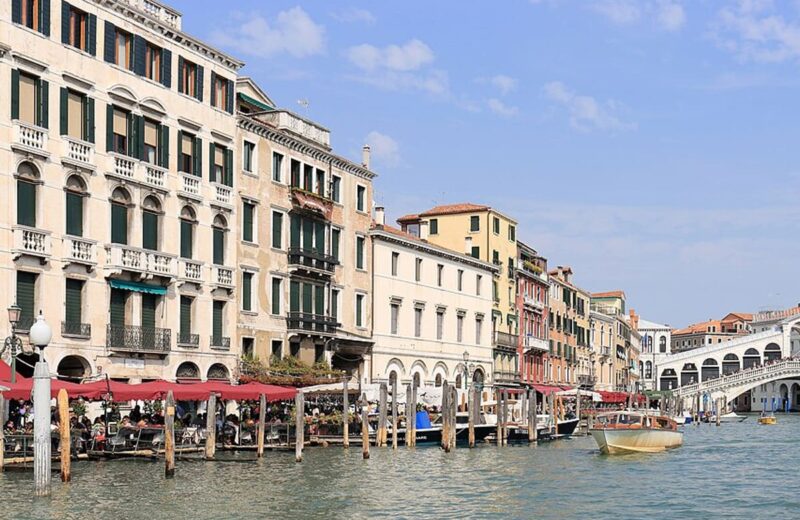
- Venice canals — Gondolas, St Mark’s and hidden alleys.
- Naples & pizza — The birthplace of pizza, gateway to Pompeii.
You’ll find even more ideas, plus hidden gems and local favourites, on the full Italy guide.
Suggested Italy itinerary
A great first trip to Italy strings together its top destinations: Rome, Florence, Venice, Amalfi Coast. Spend a couple of days in each, allowing travel time between them, and you’ll see the best of the country in 7–10 days.
Rome (3 days) is great for history, food. Florence (2 days) is great for art, culture. Venice (1–2 days) is great for romance, photography. For a plan tailored to your exact dates, style and interests, use the AI Trip Planner, or see ready-made routes on the Italy itineraries section.
Where to stay in Italy
Choosing the right base makes a big difference. The most popular areas for visitors are:
- Rome — The Colosseum, Vatican and la dolce vita. Recommended stay: 3 days.
- Florence — Renaissance art, the Duomo and Tuscan charm. Recommended stay: 2 days.
- Venice — Canals, gondolas and crumbling palazzos. Recommended stay: 1–2 days.
- Amalfi Coast — Cliffside towns, lemon groves and blue sea. Recommended stay: 2–3 days.
Book central, well-reviewed accommodation in high season, and compare options across budgets on our deals page.
Food and local experiences
No trip to Italy is complete without diving into the local food scene — from street stalls and markets to sit-down restaurants. Eating where locals eat is not only more authentic, it’s the easiest way to keep costs down. Try the regional specialities, take a cooking class, and don’t be afraid to point at what looks good.
Beyond food, build in time for the culture — markets, festivals and everyday life are often the most memorable part of a trip. Read up on etiquette first in our Local Culture & Etiquette guide so you travel as a respectful guest.
How much does a Italy trip cost?
Italy suits a range of budgets. As a rough guide per person, per day (excluding international flights): budget travellers can manage on around $60, mid-range travellers should plan for about $130, and luxury trips start around $350+.
Accommodation and activities are usually the biggest costs, while local food and public transport are easy places to save. For a personalised estimate, try the Budget Calculator, and see the full breakdown on the Italy budget guide.
Visa and entry requirements
Schengen rules apply The typical allowed stay for tourism is 90 days / 180 (Schengen). Visa on arrival: No. eVisa: ETIAS (from 2025). Visa-exempt nationals will need ETIAS; others a Schengen visa.
Important: visa rules depend on your nationality and change frequently — always confirm with official sources before booking. Check your specific situation with the Visa Checker and read the full Italy visa guide.
Safety and practical tips
Italy is generally safe for tourists, but normal precautions apply: keep valuables secure, use registered taxis or ride apps, and be alert to common scams. Travel insurance is strongly recommended — see our Travel Safety guide for scams to avoid and emergency basics.
A few quick tips: carry some local cash for small vendors, keep digital and paper copies of your documents, learn a few words of the local language, and respect dress codes at religious sites. The local currency is Euro (€ EUR), and the main language is Italian.